
Updated on
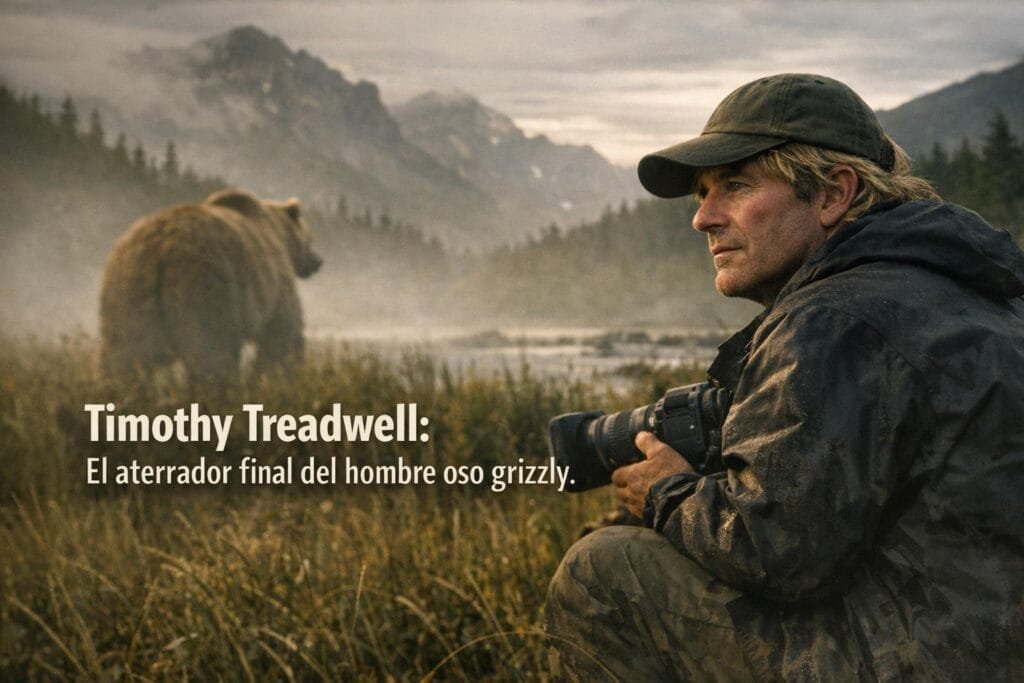
The bear man’s story, in short: Timothy Treadwell spent 13 summers among brown bears in Katmai National Park, Alaska, standing a few feet from them and carrying no bear spray. In early October 2003, at the end of his last trip, an old bear killed him and his girlfriend, Amie Huguenard. A camera with the lens cap on recorded the audio of the attack, and Werner Herzog told his story in Grizzly Man (2005).
On October 6, 2003, the bush pilot who was supposed to pick up Timothy Treadwell at Kaflia Bay, on the Alaska coast, found the camp torn apart and a huge bear prowling the area. Katmai National Park rangers arrived soon after, and the animal charged them. Among the remains was a video camera. It had no picture, because the lens cap was on, but it did have sound: a few minutes of the attack that had killed Treadwell and his girlfriend, Amie Huguenard.
That is how the story of Timothy Treadwell ended, the man who spent thirteen summers planting himself a few feet from Alaska’s brown bears, convinced he could be one of them. Some saw him as a wildlife protector; the rangers who knew him saw an accident waiting to happen. Both things can be true at once.
From Timothy Dexter to «bear man»
Treadwell was born Timothy Dexter in 1957 on Long Island, New York, and tried his luck as an actor in California without much success. As he told it himself in his book Among Grizzlies (1997), written with his friend Jewel Palovak, he was drinking heavily at the time and had had problems with drugs, and Alaska’s bears gave him a reason to quit. From 1990 on, he traveled every summer to Katmai, one of the places in the world with the most brown bears per square mile.
There he filmed the animals, gave them names like «Mr. Chocolate» or «Downy» and talked to them in a high, affectionate voice. He shot more than a hundred hours of video that, after his death, director Werner Herzog turned into the documentary Grizzly Man (2005). This is its official trailer:
Off-season, Treadwell lived in California and gave free talks at schools with the organization he had founded, Grizzly People. The character in the tapes, a blond guy moved to tears in front of a bear, had already appeared on television before his death.
Every safety rule, backwards
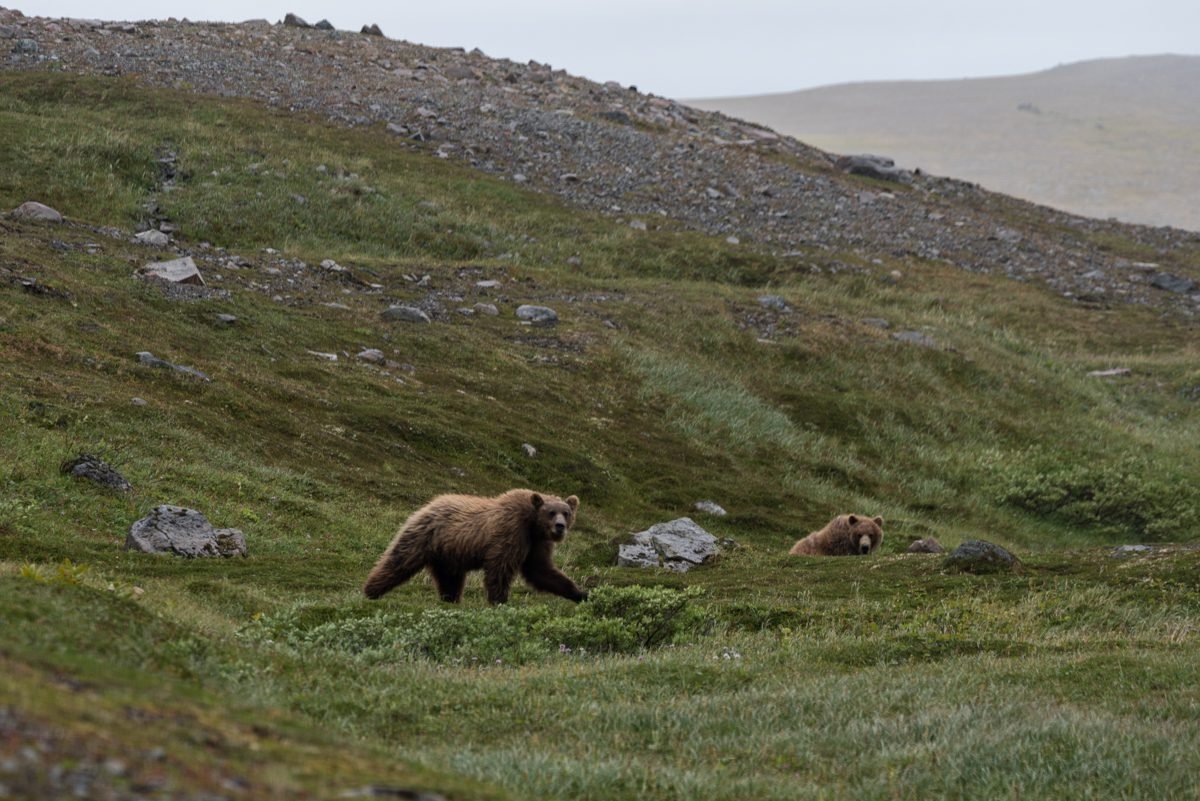
The National Park Service has fairly clear bear safety rules: keep your distance, make noise so you don’t surprise them, carry pepper spray and don’t keep food in your tent. Treadwell did exactly the opposite. He camped in the middle of trails the bears used, got within a few feet, sometimes touched the animals and refused to carry spray because he considered it disrespectful.
Park rangers warned him several times that getting bears used to people was dangerous for him and for the animals themselves, which end up being killed when they lose their fear of humans. He saw it differently: he was convinced that the way he treated them protected them from hunters and that the bears recognized him.
October 2003: the last trip
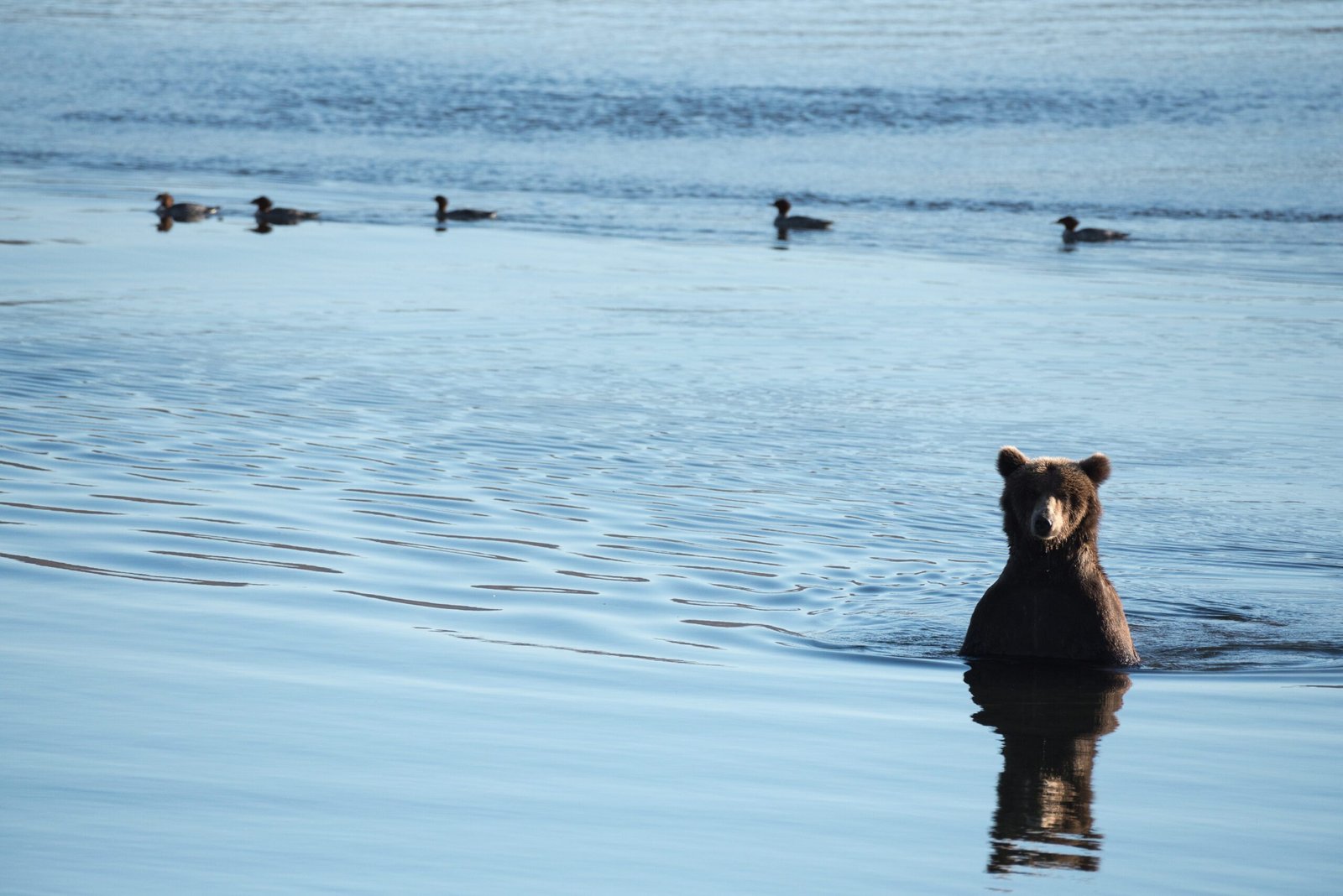
In 2003, Treadwell stretched his stay into early October, later than usual. By then the bears he knew were leaving, and others remained in the area, hungry and in a hurry to fatten up before winter. According to the National Park Service report on the case, the attack probably happened on the afternoon of October 5. The next day, pilot Willy Fulton raised the alarm. Rangers shot a male about 28 years old, cataloged as Bear 141, which attacked them on arrival, and shortly afterwards a second, younger bear.
The camera recorded only audio. It is not known who turned it on or when, and the duration cited varies by source, from three to about six minutes. According to those who have heard it, Treadwell can be heard calling for help and Huguenard shouting at him to play dead and then to fight back. Herzog listened to the tape on headphones while preparing the documentary and advised Palovak to destroy it. She didn’t, but she has never released it, so the «real audio» clips circulating online under that title are fake.
Hero, fool, or both
Outside magazine reconstructed the case in a long feature, «Blood Brothers,» with testimony from rangers, friends and biologists. The portrait that emerges is neither a madman nor a saint: it is a man who found meaning for his life in the bears and refused to see the limits of that relationship. Herzog put it his own way in the film: in the faces of the bears Treadwell filmed, he saw no friendship, only the indifference of nature.
If you’re interested in other stories where wild animals and humans cross paths where they shouldn’t, check out Wojtek, the bear who ended up enlisted in the Polish army, the orcas ramming sailboats in the Strait of Gibraltar or Michel Siffre, who shut himself in a cave for months to measure time (in Spanish).
What people ask (and search) about Treadwell
Does the recording of Timothy Treadwell’s death exist?
Yes, but it has never been released. It is sound only, because the camera had the lens cap on. Herzog listened to it on headphones during filming and advised Jewel Palovak, Treadwell’s friend and owner of his tapes, to destroy it; she didn’t, but she hasn’t released it either, so the audio circulating online under that title is fake.
What happened to the bear that killed Treadwell?
Park rangers shot it when they reached the camp and the animal charged them. It was a male about 28 years old, cataloged as Bear 141, and in the same operation they also killed a second, younger bear.
Did Treadwell live with the bears all year?
No. He went only during the season, from 1990 to 2003, and spent the rest of the year in California giving talks at schools with his organization, Grizzly People. Living among bears summer after summer was quite enough.
The evidence, in case you don’t trust us
- National Park Service · Report 03-109 on the deaths of Treadwell and Huguenard: the park’s official investigation, with dates, findings and the killing of the bears.
- Outside · «Blood Brothers»: feature on Treadwell’s life, the warnings he received and his last days.
- CBS News · Mauling sounds captured on tape: 2003 news report on the audio recording found at the camp.
- National Park Service · Bear Safety: official safety rules in bear country.