
In valleys where winter bites, people still raise a glass to the gods
In the mountains of Chitral, Pakistan, the Kalash celebrate festivals that are not performances staged for visitors. They are part of a living religious calendar: a way to mark seasons, renew community ties and keep memory in motion. Their traditions stand out in a country where most people are Muslim, but they are not a museum exhibit or a relic frozen in time.
The Kalash are a small Indigenous community whose language, customs and religious life are closely tied to three valleys: Bumburet, Rumbur and Birir. Their survival has never meant standing still. It means continuing to practice their traditions while negotiating the pressures of a changing world.
This video offers a look at the valleys and the people who live there.
Where are they, and why there?
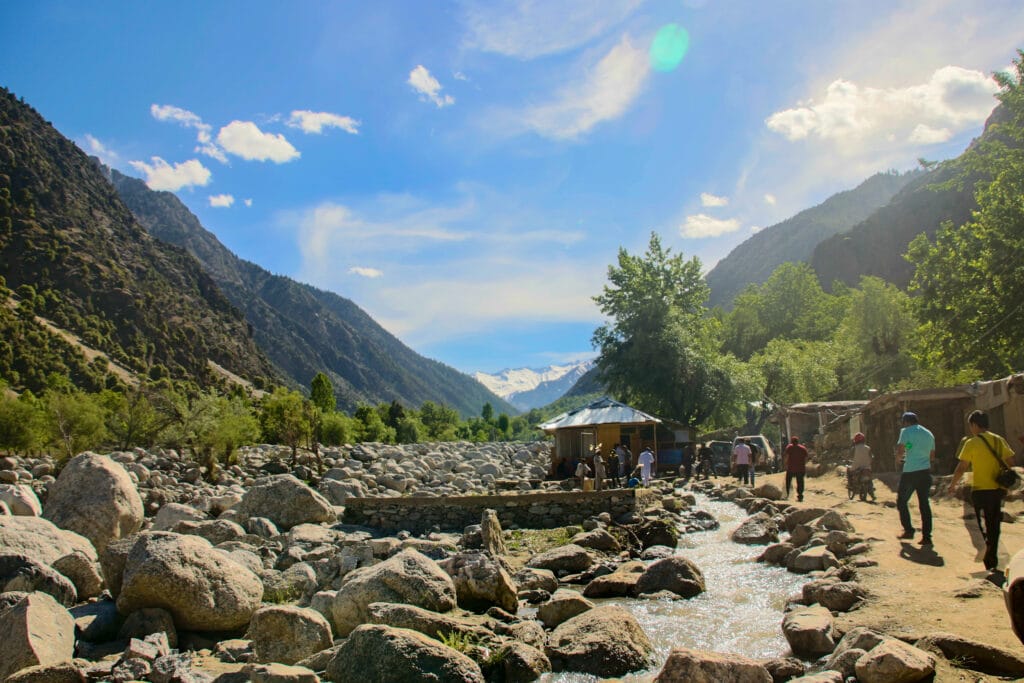
The Kalash valleys sit in northern Pakistan’s Hindu Kush, near the Afghan border. Steep mountains and difficult routes helped shape a distinct cultural landscape, but isolation is relative: these valleys have never been outside history or contact. Trade, neighboring communities, government policy, tourism and migration all influence life there.
A polytheistic religion in a mostly Muslim country
Kalash religious practice includes multiple deities and spirits, rituals connected with nature and a calendar that gives meaning to different moments of the year. It is often described as polytheistic, although any short label risks flattening beliefs that are expressed through stories, ceremonies, music, food and relationships with the landscape.
It is also important not to treat the Kalash as a single, unchanging group or to confuse their living religion with guesses about a distant origin. Their own practices and community voices matter more than romantic theories about where they “must” have come from.
Festivals: tradition is not kept in a museum; it is danced
Seasonal festivals such as Chilam Joshi, Uchau and Chaumos bring together music, dancing, food, ritual and community. They are not simply colorful shows. They help mark the agricultural and seasonal cycle, strengthen social bonds and pass cultural knowledge between generations.
When a tradition is practiced, it can adapt. A song can be remembered differently, a celebration can respond to new circumstances and younger people can decide how they want to carry it forward. That is not cultural failure; it is how living cultures stay alive.
Clothing, identity and the outside gaze
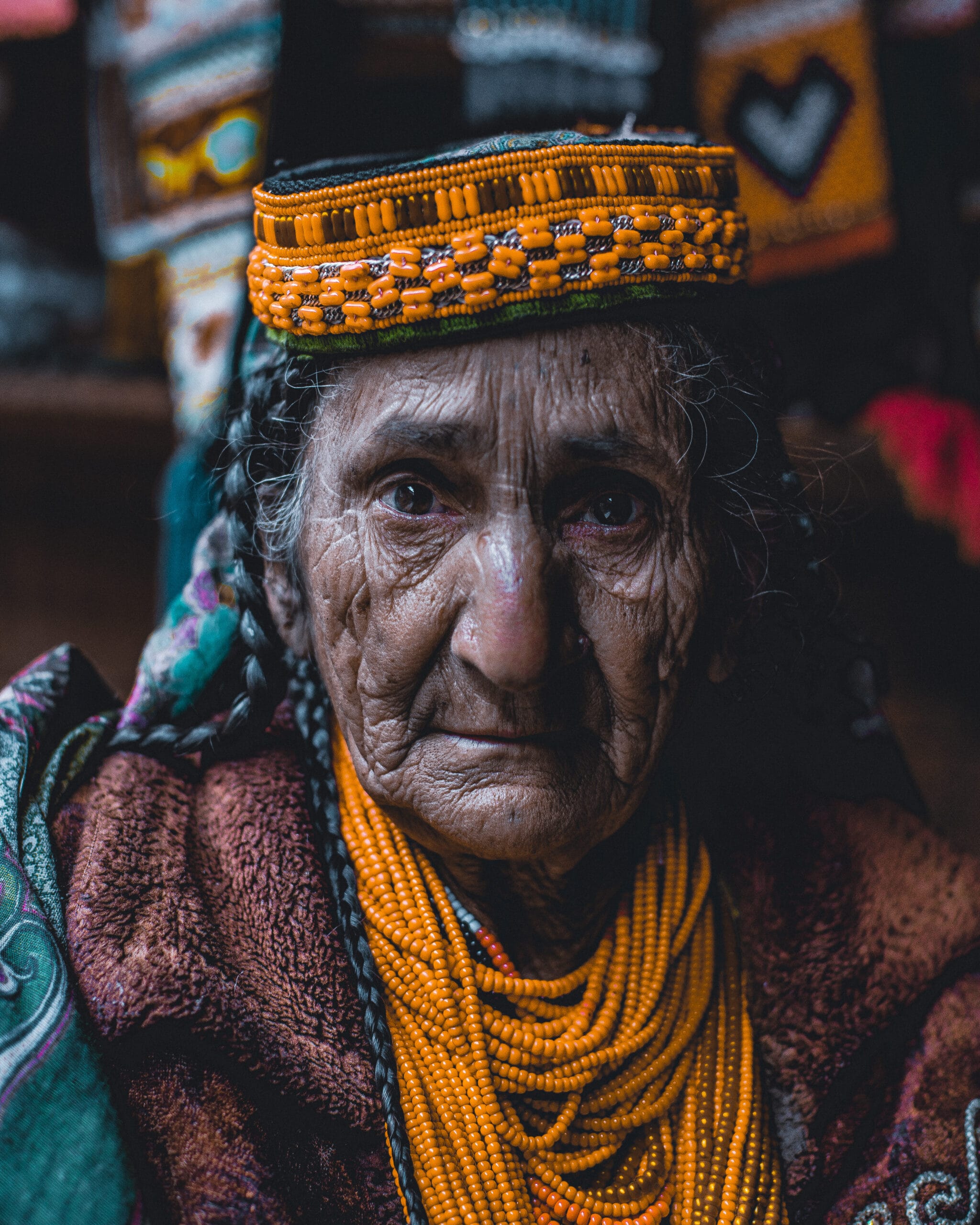
Kalash clothing and the distinctive embroidered headdresses worn by many women are recognizable parts of community identity. They are also often turned into the first—and sometimes only—thing outsiders notice. A photograph can show a garment, but it cannot explain the person wearing it, the choices behind it or the community around it.
Respectful reporting means looking beyond the image and avoiding the idea that a small community exists to satisfy other people’s curiosity. The Kalash are not characters from a lost world; they are contemporary people with their own priorities.
Is it really “older than Hinduism”?
Claims that Kalash religion is “older than Hinduism” circulate widely, but they should be handled cautiously. Religious traditions do not have clean birth certificates, and comparing their age as if they were two products with launch dates oversimplifies centuries of change. The safer statement is that Kalash religious practices have a distinct history and preserve elements that differ from the dominant religious traditions around them.
Pressure, conversion and cultural survival
The community faces economic and social pressures, including access to education and health care, discrimination, conversion, migration and the impact of tourism. These forces do not affect every person in the same way. Supporting cultural survival means protecting rights and allowing community members to decide their future—not demanding that they remain “traditional” for outsiders.
What unsettles us about the Kalash—and why we should welcome it
The Kalash remind us that a national border does not make everyone inside it culturally identical. Their existence challenges the tidy stories we tell about religion, identity and the past. That is not a reason to turn them into a mystery; it is a reason to listen more carefully.
A culture survives not because it is untouched, but because people keep making choices about what to remember, what to change and what to pass on.