

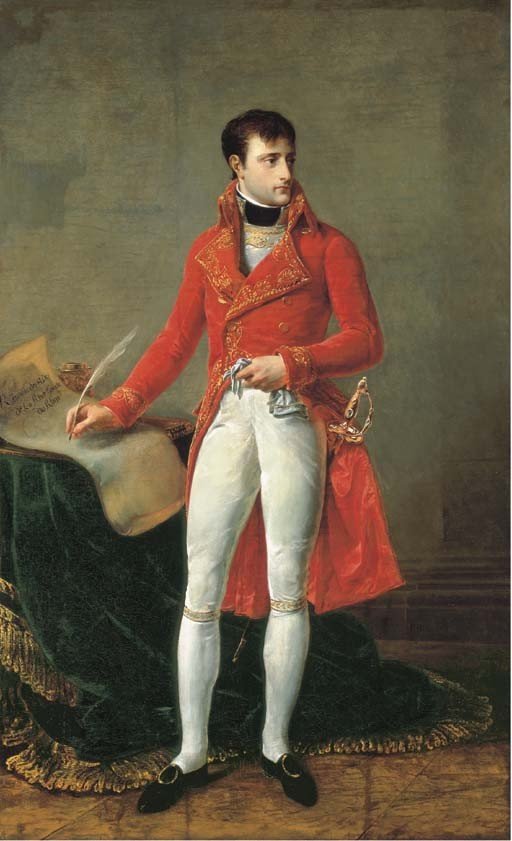
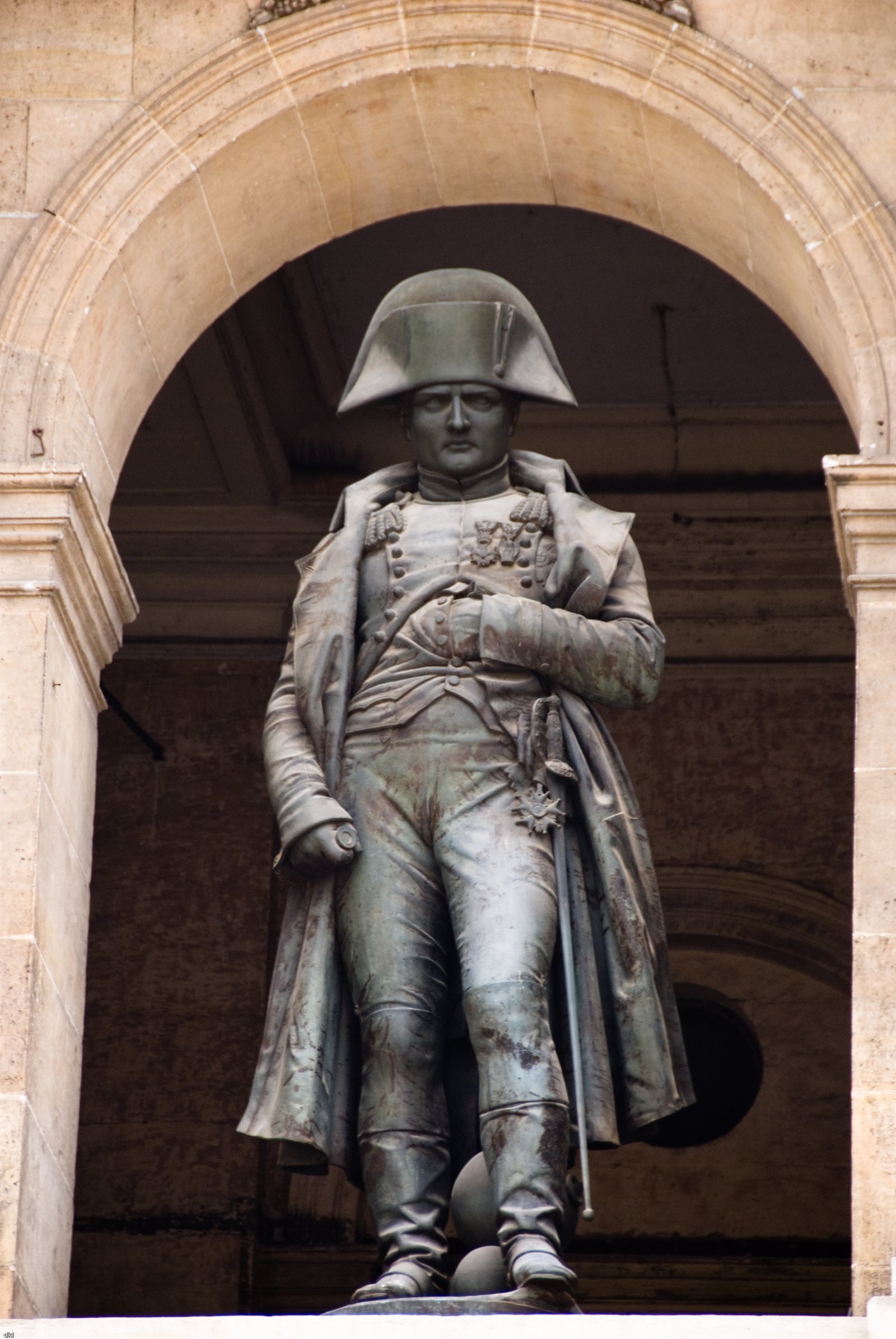
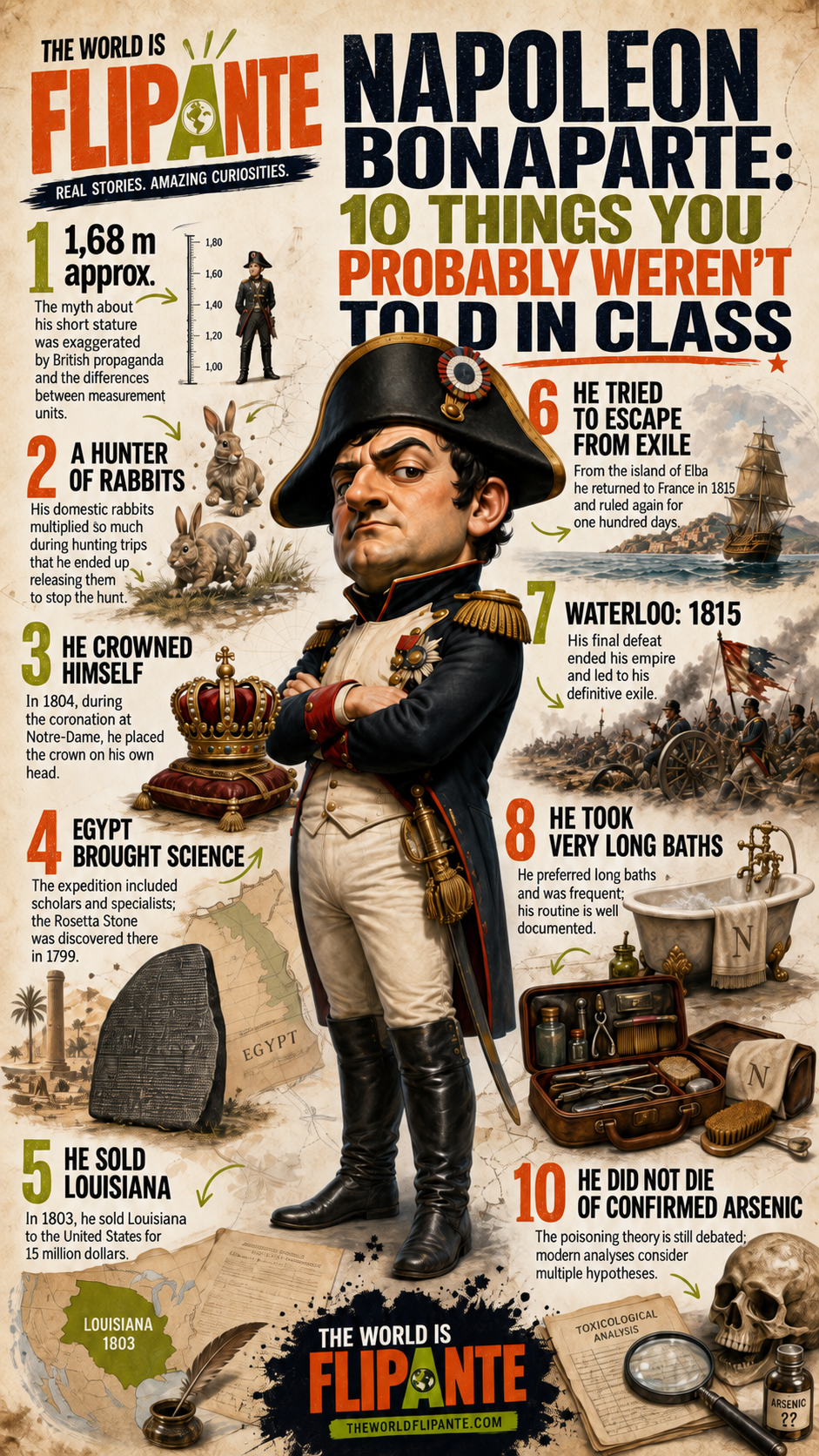
Napoleon Bonaparte is one of history’s most overfamiliar characters. The bicorne hat, the hand in the jacket and the Waterloo ending have become shortcuts. But behind them are facts that are stranger than the caricature: he was around 1.68 meters tall, hunted rabbits, crowned himself, sold Louisiana and spent years shaping his own public image.
Ten facts behind the icon
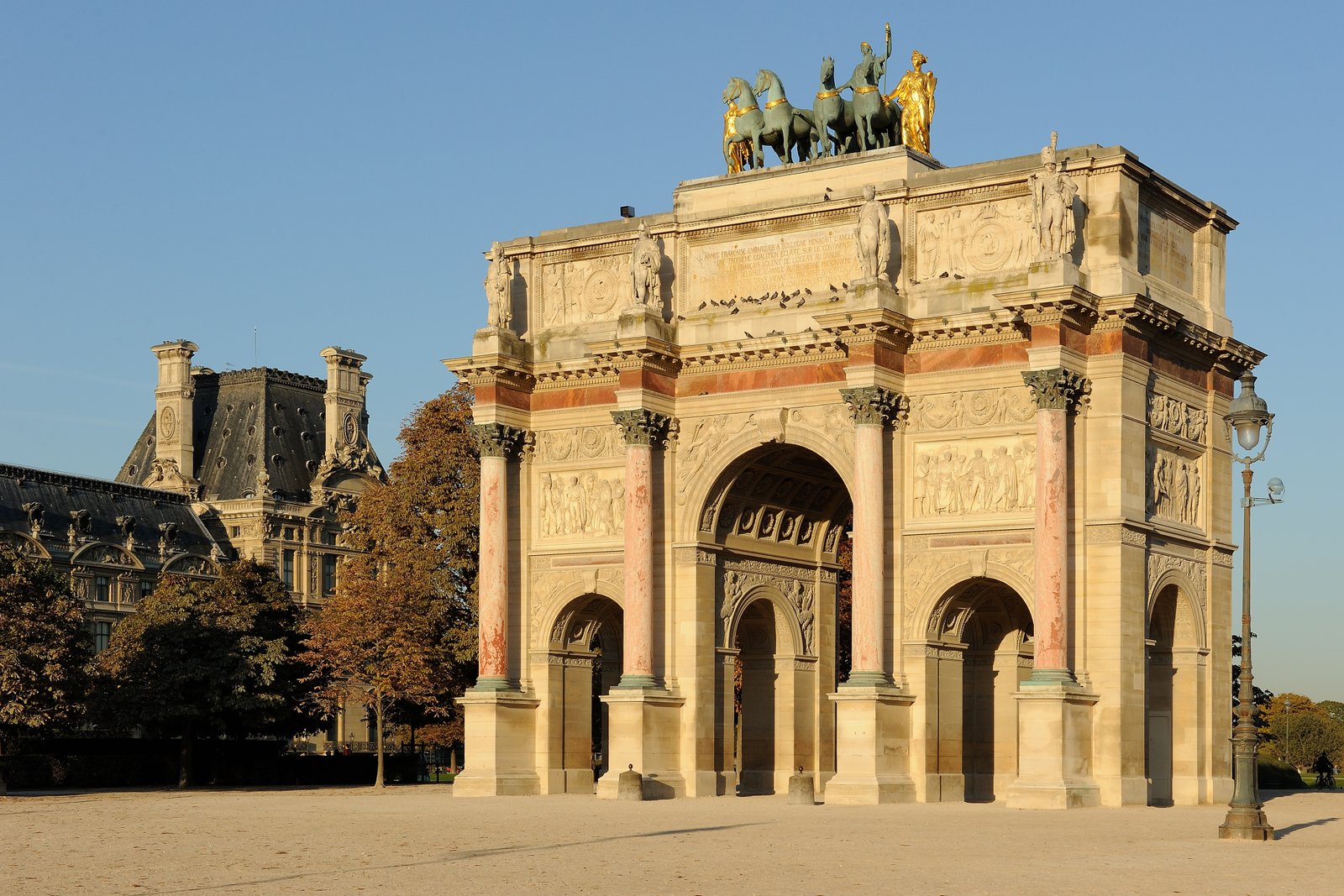
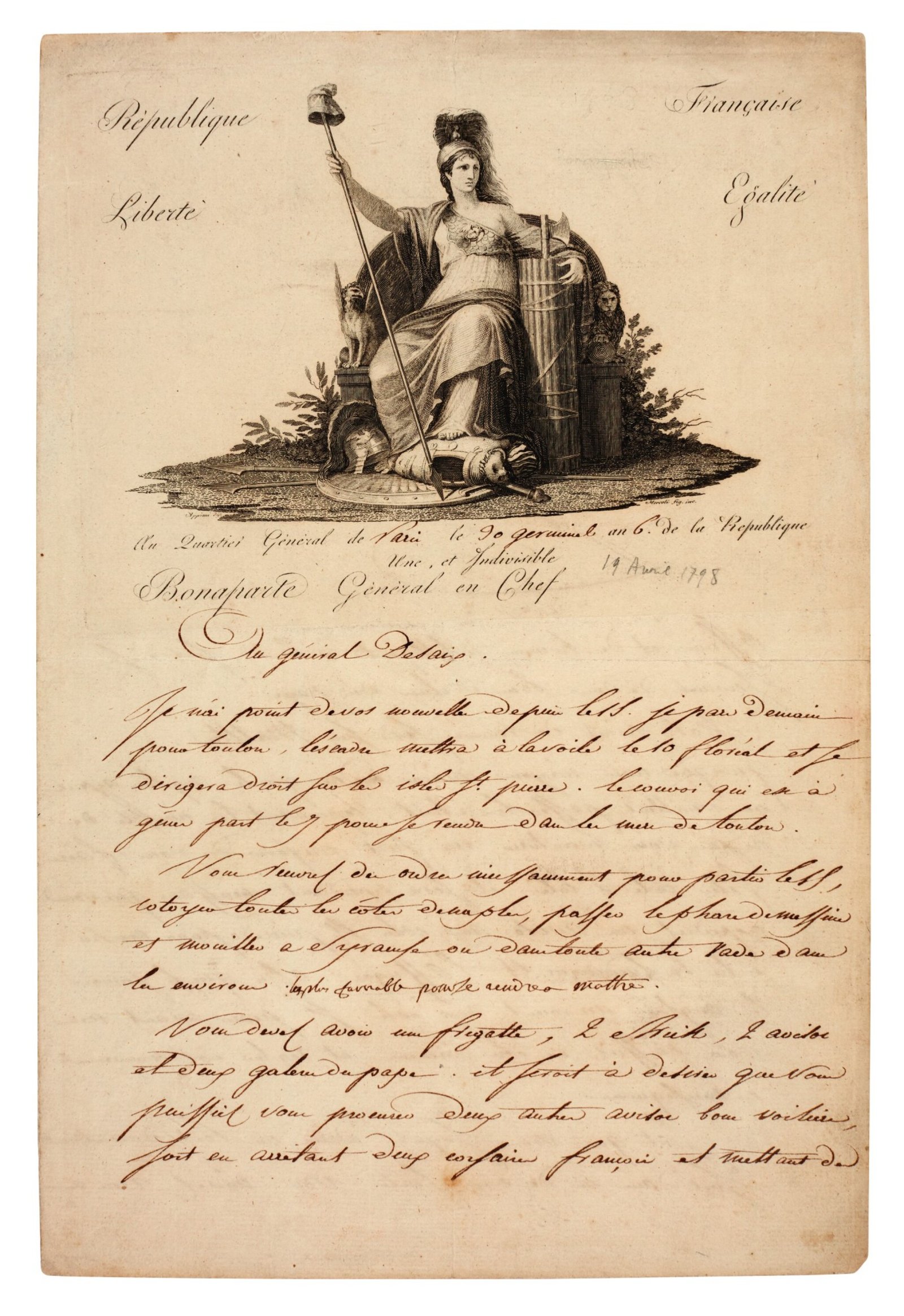
The height myth grew from British propaganda and different French and British measurement units. His 1804 coronation at Notre-Dame placed the crown on his own head. His Egyptian campaign brought scholars as well as soldiers, and the Rosetta Stone was discovered there in 1799. In 1803 he sold Louisiana to the United States for $15 million.
After the legend
After escaping exile on Elba, Napoleon ruled France again for one hundred days before Waterloo in 1815. He died in exile on Saint Helena in 1821; the arsenic-poisoning theory remains disputed. His real history is not smaller than the myth. It is more complicated, and therefore more interesting.
Sources consulted for this article
- Fondation Napoléon — archival and historical context.
- Encyclopaedia Britannica — historical overview.
- Documentary video — historical context.