
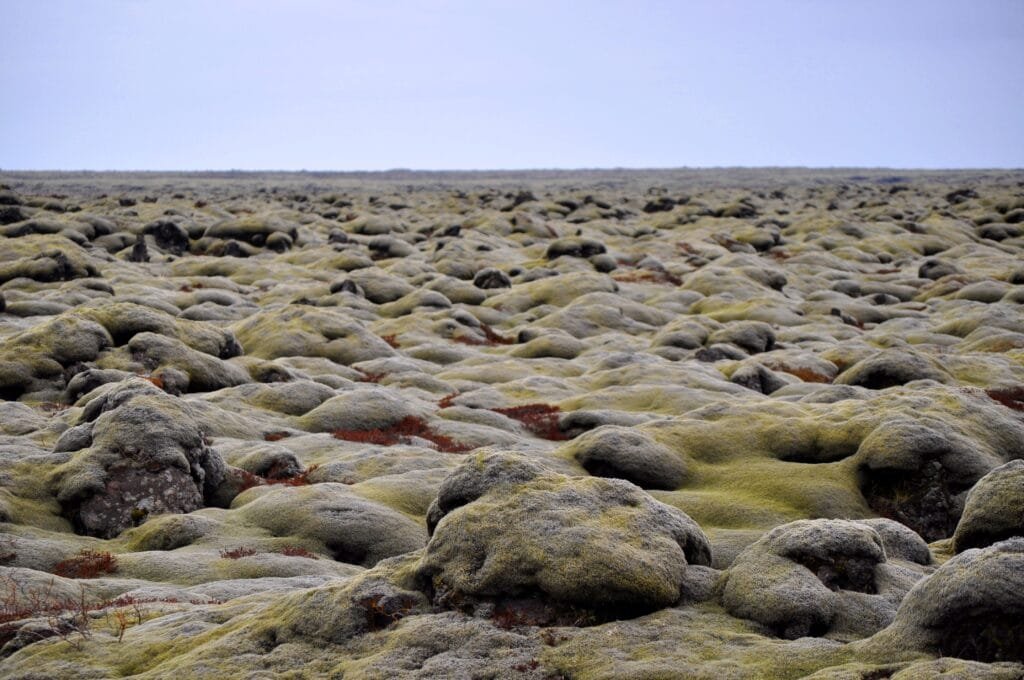
The excavator stops—not for oil, a strike or a budget shortfall, but because there might be elves underground
It sounds like a joke about a construction meeting: the crew is ready, the machinery is in place, and then someone asks whether the road might disturb elves. In Icelandic folklore, the huldufólk are “hidden people” associated with the landscape. Stories about them have become part of a wider conversation about how roads and projects affect places people consider meaningful.
That does not mean every Icelandic public works project is governed by an official elf department. The reality is more nuanced: local objections, heritage concerns, legal appeals and folklore can meet in the same debate over land.
A road and eight years of waiting: when asphalt negotiates with the invisible
One often-cited road dispute involved a proposed route near a lava formation that some people regarded as connected to the hidden people. The project became a symbol of a broader tension: should a road follow the most direct engineering plan, or bend around a landscape that carries cultural and emotional value?
Popular retellings sometimes reduce the issue to “elves stopped the road.” In real projects, decisions involve planning, environmental review, community concerns and legal processes. Folklore may be part of the public argument without being the only reason for a delay.
Huldufólk: folklore that is not kept behind glass
Iceland’s stories of hidden beings belong to a living folklore tradition, not merely a collection of old tales. People relate to them in different ways: some believe, some are unsure, and others value the stories as cultural memory even without taking them literally.
The surprising number: 62% saying “maybe”
Surveys about belief in elves and hidden people are often repeated as if they measured one simple thing. Wording matters. Saying “I believe in elves” is not the same as saying “I cannot rule out that hidden people exist.” A reported percentage should therefore be read with its question and method in mind—not turned into proof that most Icelanders believe in literal elves.
Do projects really stop because of elves?
Sometimes a project is altered after a dispute involving a site associated with folklore. But the complete explanation can include environmental protection, local opposition, heritage preservation and planning decisions. “The elves stopped it” is a memorable headline; it is rarely a sufficient account of the process.
Between moss and asphalt: landscape as emotional heritage
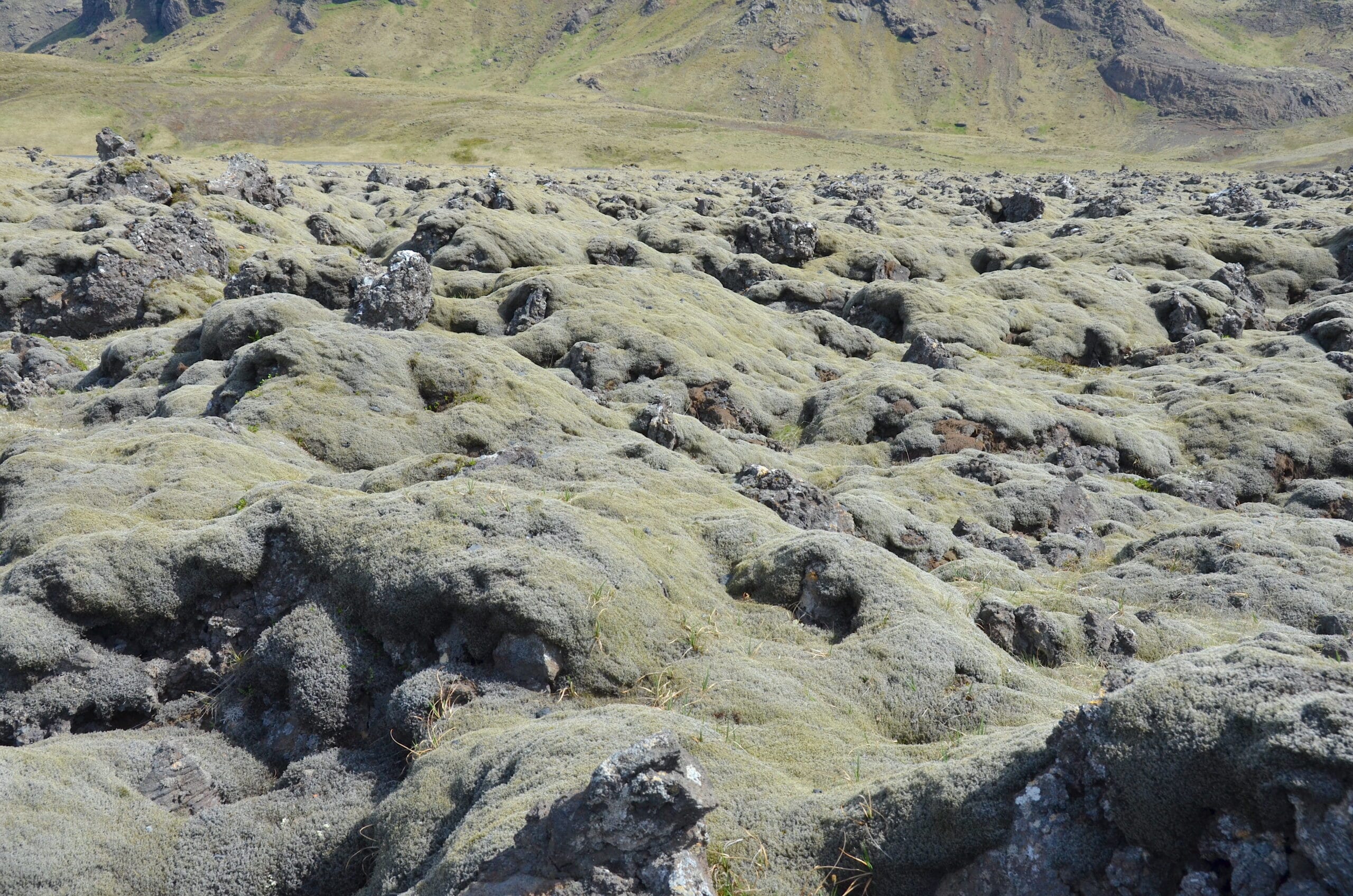
Iceland’s lava fields, cliffs and moss-covered hills are not empty scenery. They can hold ecological value, local history and personal meaning. Even if someone does not believe in hidden beings, the story can express a real concern: development should not treat every place as interchangeable.
Why the tradition remains alive instead of becoming a postcard
Folklore changes as people use it. The huldufólk appear in contemporary debates because stories can offer a language for questions about identity, nature and the pace of development. That does not make every tale literal, nor does it make it irrelevant.
What we believe “for real” and what we believe “just in case”
Belief is not always a clean yes-or-no answer. Someone may not claim to have seen an elf and still prefer that a road avoid a striking rock formation. The uncertainty itself can encourage caution: if the cost of moving a route is manageable, why destroy a place that matters to the community?
The story is not that Iceland’s engineers surrender to magic. It is that a landscape can carry more than engineering data—and sometimes a tale helps people say so.