
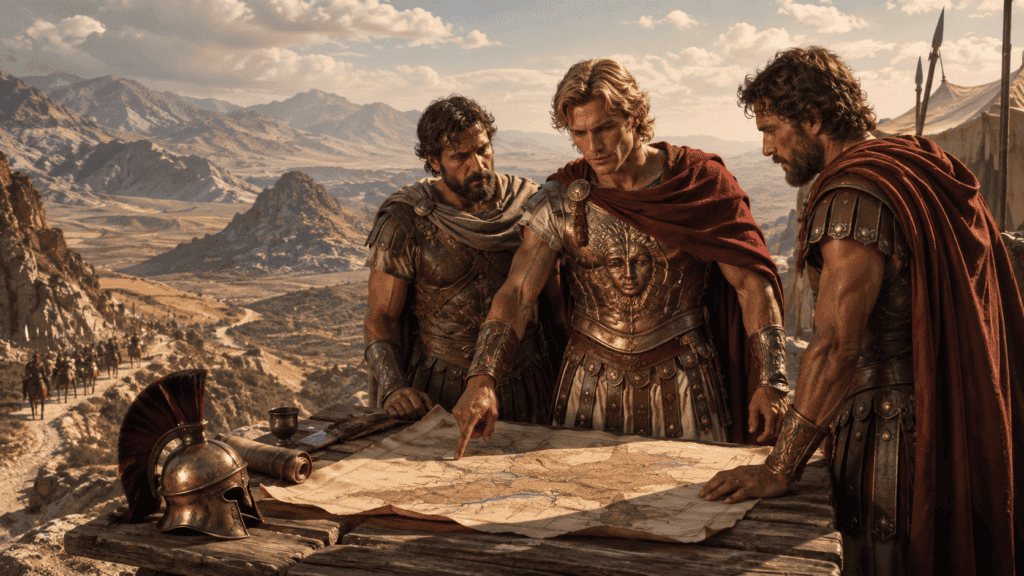
In 326 B.C., Alexander the Great reached the Hydaspes River in what is now Pakistan. He had already crossed Asia, defeated the Persian Empire and built a military reputation with almost no precedent. India was different: swollen rivers, monsoon weather, unfamiliar elephants and an army that had been moving for years.
The battle at the Hydaspes
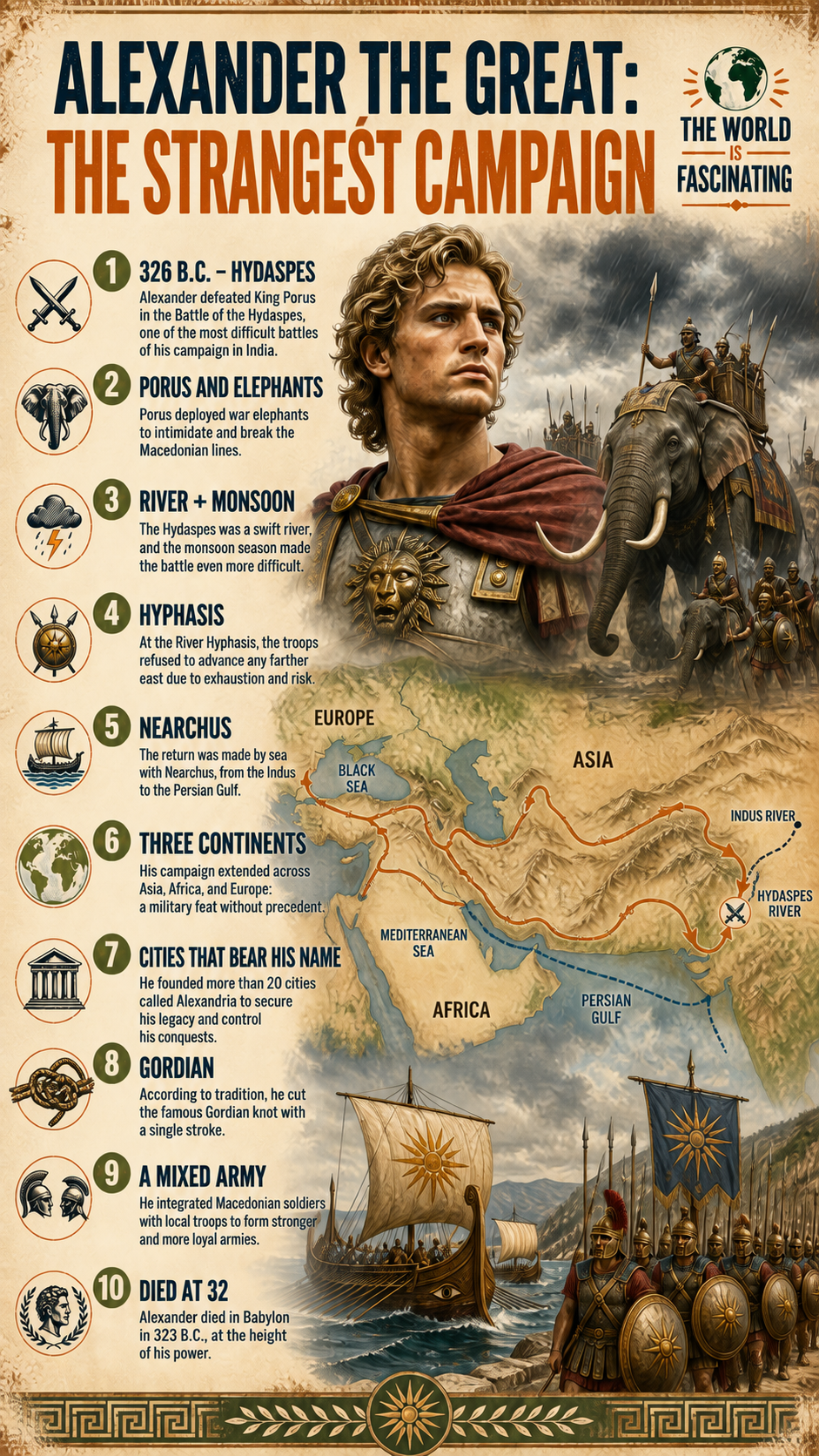
Alexander defeated King Porus in one of the hardest battles of his career. Porus used war elephants to disrupt Macedonian lines, while the river and monsoon made maneuvering difficult. Alexander won, but the cost of continuing east became clearer than ever.
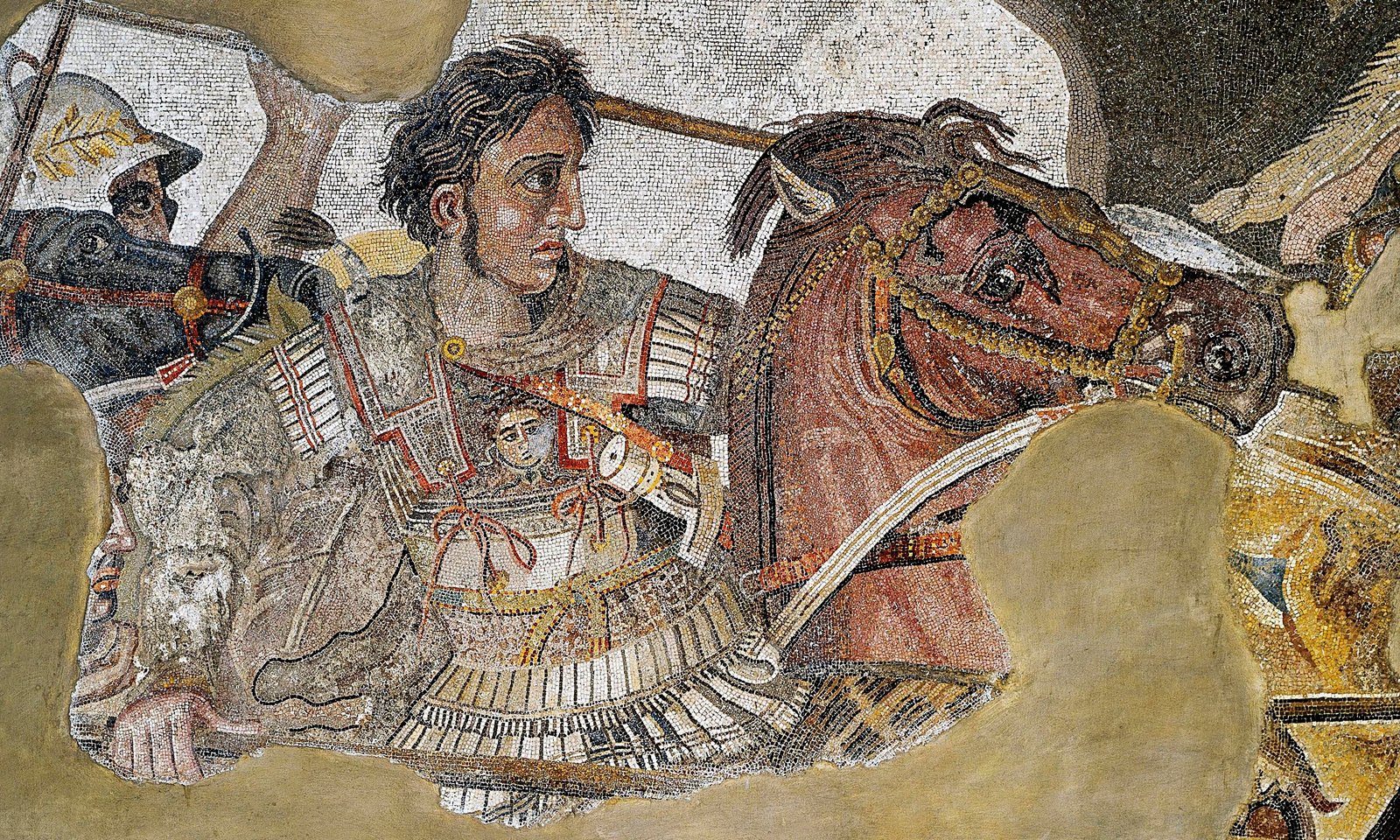
The Hyphasis mutiny
At the Hyphasis River, his troops refused to advance. They were exhausted, far from home and facing reports of larger kingdoms beyond. Alexander listened. The campaign turned south, and the return involved a sea expedition under Nearchus and a brutal overland march.
The point where conquest stopped
Alexander died in Babylon in 323 B.C., at age 32. His empire crossed three continents and founded cities that carried his name, but the Indian campaign shows why military history cannot be read as a simple line of victories. Weather, logistics, terrain and the will of ordinary soldiers can decide where even the greatest commander has to stop.
Sources consulted for this article
- Encyclopaedia Britannica — historical overview.
- The Metropolitan Museum of Art — ancient visual context.
- Campaign video — visual explanation of the Indian campaign.